
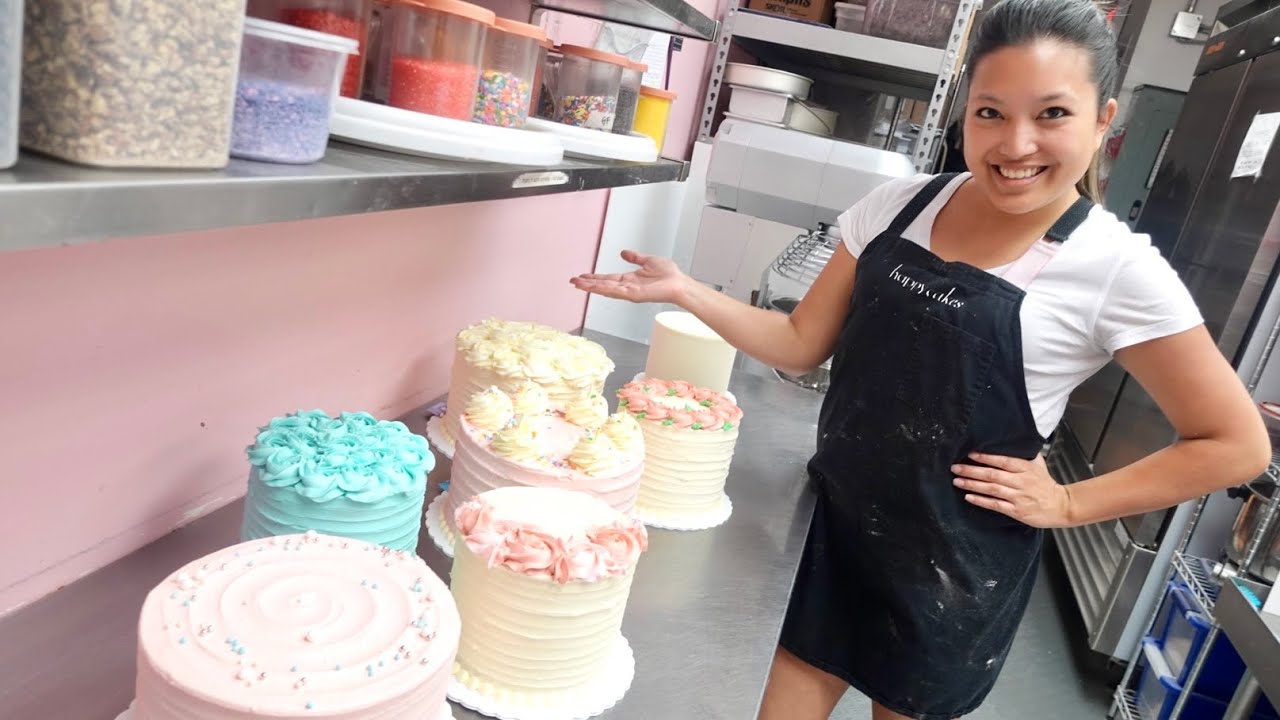
Ordering a custom cake should be exciting, not stressful. But if you've never done it before, the process can feel mysterious. How far in advance should you order? What information does a baker need? How does pricing work? What happens on delivery day?
At Cleveland Cake Boss, we believe in making the custom cake experience as delightful as the cake itself. We've walked thousands of clients through this process, from first-time orderers to experienced event planners, and we want to share a behind-the-scenes look at how it all works. Consider this your complete roadmap from dream cake to dream come true.
Step 1: Know Your Event Details
Before you reach out to a baker, gather these essential details. Having this information ready makes the consultation smoother and helps your baker provide accurate recommendations:
- Event type: Wedding, birthday, baby shower, graduation, corporate event, anniversary, etc.
- Event date and time: This determines availability and timeline for preparation.
- Guest count: This is the single most important factor in determining cake size.
- Venue name and address: For delivery planning and temperature considerations.
- Indoor or outdoor event: Affects frosting and design recommendations.
- Budget range: Being upfront about budget helps your baker suggest options that maximize value within your range.
- Theme or color palette: If you have one, share it early.
- Dietary restrictions: Gluten-free, nut-free, dairy-free, vegan, or other needs for any guests.
You don't need to have a fully formed vision — that's what the consultation is for. But having basic details allows your baker to come prepared with relevant suggestions. Our quote request form is designed to gather exactly this information, making the process effortless.
Step 2: The Consultation and Tasting
This is the fun part! The consultation is where your cake vision starts to take shape. Here's what typically happens:
Sharing Your Vision
Bring any inspiration you've collected — Pinterest boards, Instagram saves, magazine clippings, photos from events you've attended, or even sketches. These references help your baker understand your aesthetic preferences even better than words can.
Don't worry if your ideas seem vague or if you have too many. A good baker will help you refine your vision, combining elements from different inspirations into a cohesive design that's uniquely yours.
The Design Discussion
Your baker will discuss:
- Cake shape and size options based on your guest count
- Tier configurations and proportions
- Frosting types (fondant, buttercream, or combination)
- Design elements and decorations
- Color matching (bring fabric swatches, paint chips, or digital color references)
- Structural considerations for ambitious designs
The Tasting Experience
This is most people's favorite part, for obvious reasons. You'll sample various cake flavors, fillings, and frostings to find your perfect combination. Tips for getting the most from your tasting:
- Come hungry (but not starving — you need a balanced palate)
- Start with lighter flavors and work toward richer ones
- Cleanse your palate between samples with water
- Take notes or rate each sample so you remember your favorites
- Bring your partner, parent, or a trusted friend for a second opinion
- Don't feel rushed — this is supposed to be enjoyable!
After the tasting and design discussion, your baker will create a proposal with a description of the design, flavor selections, sizing, and pricing.
Step 3: Finalizing Your Order
Once you've approved the design and pricing, it's time to make it official. Here's what the finalization process typically includes:
The Agreement
Professional bakeries provide a written agreement that outlines:
- Detailed cake description (size, tiers, flavors, design elements)
- Total price and payment schedule (usually a deposit to hold the date, with the balance due before the event)
- Delivery details (date, time, location, setup requirements)
- Cancellation and modification policies
Deposits and Payments
Most bakeries require a deposit (typically 25-50% of the total) to reserve your date. This is standard practice — custom cakes require advance planning, ingredient ordering, and scheduling. The balance is usually due 1-2 weeks before the event.
Design Sketches or Mockups
For elaborate cakes, your baker may provide a sketch or digital mockup of the proposed design. This is your opportunity to request adjustments before production begins. Review it carefully and provide feedback promptly.
Step 4: The Creation Process
While you're planning the rest of your event, your baker is working their magic behind the scenes. Here's a peek at what goes into creating a custom cake:
Advance Preparation (1-2 Weeks Before)
- Sugar flowers and fondant decorations are crafted in advance and left to dry
- Specialty ingredients are ordered
- Color matching is finalized (mixing frosting colors to match your references exactly)
- Structural support elements (dowels, boards, frameworks) are prepared
Baking and Assembly (2-3 Days Before)
- Cake layers are baked, cooled, and leveled
- Fillings are prepared
- Crumb coating (a thin initial layer of frosting) is applied
- The cake is refrigerated overnight to set
Decorating (1-2 Days Before)
- Final frosting or fondant covering is applied
- Decorative elements are added
- Piping, painting, and detail work is completed
- Quality check: every angle is inspected
- The cake is carefully stored at the proper temperature
For a large, elaborate wedding cake, the total creation process can take 30-40+ hours over several days. That's not just baking — it's artistry, engineering, and precision craftsmanship.
Step 5: Delivery Day
Delivery is the most nerve-wracking part of the process — for bakers, at least! Here's how professional delivery works:
Transport
Cakes travel in temperature-controlled vehicles, secured with non-slip matting or specialized cake transport boxes. Tiers are typically transported separately and assembled on-site for safety. Your baker will have all necessary tools for final assembly and any touch-ups needed after transport.
On-Site Setup
Your baker will:
- Assess the display location (table stability, lighting, proximity to heat sources)
- Assemble the tiers, inserting support dowels and stacking carefully
- Add any fresh flower decorations (often in coordination with the florist)
- Perform final touch-ups to ensure perfection
- Provide any instructions for the event coordinator (when to move the cake to the cutting area, temperature notes, etc.)
What to Prepare at Your Venue
Help your baker help you by ensuring:
- A sturdy, level table is ready at the designated cake location
- The area is away from direct sunlight, heat vents, and high-traffic paths
- There's room for the baker to work during setup
- A clean cake knife and server are available (unless your baker provides them)
- The venue coordinator knows when the baker is arriving
Step 6: After the Event
The cake has been admired, photographed, cut, and devoured. But a few post-event considerations remain:
Saving the Top Tier
It's a wedding tradition to save the top tier for your first anniversary. If you're planning to do this:
- Remove any non-edible decorations
- Wrap the tier tightly in plastic wrap (multiple layers)
- Place it in a freezer-safe container or wrap in aluminum foil over the plastic
- Freeze as soon as possible after the reception
- Thaw in the refrigerator overnight before your anniversary, and bring to room temperature before eating
Leftover Cake
Leftover cake can be refrigerated for 3-5 days or frozen for up to three months. Cut into portions, wrap well, and enjoy the memories all over again.
Frequently Asked Questions
How far in advance should I order?
For weddings: 4-6 months. For birthdays and events: 2-4 weeks minimum. For elaborate custom designs: the earlier the better. Rush orders are sometimes possible but may incur additional fees.
Can I see a design before committing?
Most professional bakeries provide sketches or mockups for complex orders. Simpler cakes may not require them. Don't hesitate to ask for a visual representation — it ensures everyone's on the same page.
What if I need to change my order?
Minor changes (color tweaks, flavor swaps) are usually easy to accommodate up until about a week before your event. Major changes (size, tier count, complete redesign) depend on timing and may affect pricing. Communicate changes as early as possible.
Do you deliver?
Most professional bakeries offer delivery for an additional fee. We strongly recommend professional delivery for any multi-tiered or elaborate cake. The cost of delivery is a small price for peace of mind.
What if something goes wrong?
Professional bakers are problem-solvers. Minor issues (a small ding during transport, a flower that shifts) are handled on-site during setup. Reputable bakeries carry event insurance and have contingency plans. The best way to prevent issues is to choose an experienced, professional baker.
Ordering a custom cake is a journey — one that should be filled with excitement, delicious tastings, and the joy of seeing your vision come to life. The right baker makes the entire process seamless and enjoyable, so you can focus on celebrating.
Ready to start your custom cake journey? Request your free consultation today and let's bring your sweetest vision to life. Whether it's your first custom cake or your fiftieth, we're here to make it perfect.